Water is one of the most essential natural resources for life, agriculture, and industry. In India, rivers, lakes, groundwater, and coastal waters support the lives of millions of people every day. However, rapid urbanization, industrial development, and population pressure have led to severe water pollution, resulting in an increasing scarcity of clean water. Polluted water not only harms ecosystems but also poses a serious threat to human health, food security, and economic development.
Understanding the major causes of water pollution in India is the first step toward finding effective and sustainable solutions. In this blog, we explore the 8 major causes of water pollution, their sources, and their impacts, while highlighting the importance of advanced water treatment solutions offered by Yash Water, a leading water treatment plant manufacturer in India.
Sources of Water Pollution
1. Industrial Waste Water
One of the biggest contributors to water pollution in India is the discharge of untreated or partially treated industrial wastewater. Industries such as textiles, chemicals, pharmaceuticals, tanneries, paper mills, and food processing units generate large volumes of effluents containing toxic chemicals, heavy metals, dyes, oils, acids and waste water.
When these effluents are released into rivers or seep into groundwater, they contaminate water sources and make them unfit for drinking, irrigation, or aquatic life. Long-term exposure to industrial pollutants can cause serious health problems such as cancer, skin diseases, and organ damage.
2. Domestic Sewage and Wastewater
Urban areas in India generate massive amounts of domestic sewage from households, apartments, hospitals, and commercial complexes. Unfortunately, a significant portion of this sewage is discharged into water bodies without proper treatment due to inadequate infrastructure.
Untreated sewage contains organic waste, pathogens, detergents, and nutrients that reduce dissolved oxygen levels in water. This leads to foul odors, spread of waterborne diseases, and degradation of aquatic ecosystems.
societies, and institutions treat wastewater effectively and reuse treated water for gardening, flushing, and industrial purposes.
3. Agricultural Runoff
Agriculture is the backbone of India’s economy, but it is also a major source of water pollution. Excessive use of chemical fertilizers, pesticides, and insecticides in farming results in runoff during rainfall and irrigation. These chemicals enter nearby rivers, lakes, and groundwater.
Agricultural runoff increases nutrient levels in water, leading to eutrophication, which causes excessive algal growth. This reduces oxygen levels and kills fish and other aquatic organisms. It also contaminates drinking water sources, especially in rural areas.
Promoting sustainable farming practices and treating runoff water using proper filtration and treatment systems can significantly reduce this problem.
4. Solid Waste Dumping
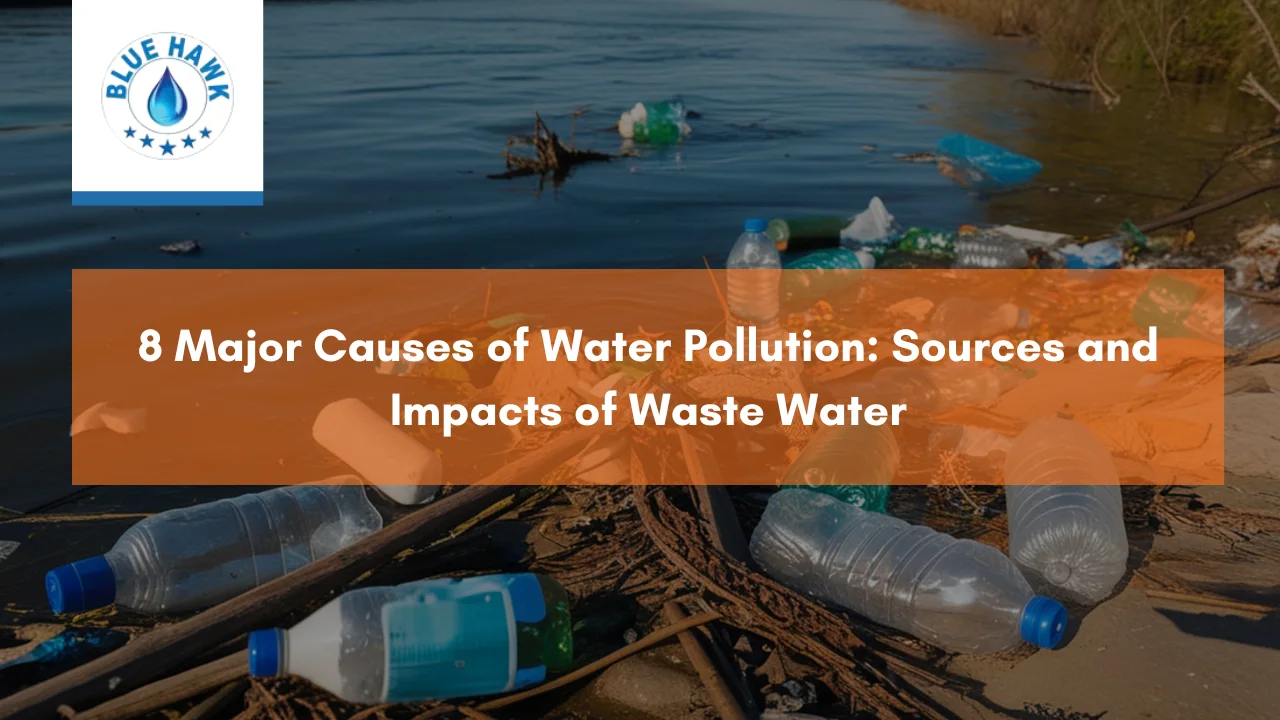
Improper disposal of solid waste, including plastics, packaging materials, food waste, and other non-biodegradable items, is another major cause of water pollution in India. Waste dumped near rivers, lakes, and drains eventually finds its way into water bodies.
Plastic waste is particularly harmful, as it does not decompose easily and breaks down into microplastics that contaminate water and enter the food chain. This not only affects aquatic life but also human health.
5. Oil Spills and Leakage
Oil pollution occurs due to oil spills, leakages from storage tanks, refineries, ships, and workshops. Even small amounts of oil can spread over large water surfaces, forming a thin layer that blocks oxygen transfer.
Oil pollution is highly toxic to aquatic organisms and can damage coastal ecosystems. In industrial zones and ports, proper oil-water separation and wastewater treatment systems are essential to prevent contamination.
Advanced treatment technologies offered by experienced water treatment plant manufacturers play a crucial role in managing oil-contaminated wastewater.
6. Religious and Cultural Activities
In India, rivers are considered sacred, but certain religious and cultural practices unintentionally contribute to water pollution. Activities such as idol immersion, ritual offerings, and mass bathing during festivals introduce paints, chemicals, flowers, plastics, and other waste into water bodies.
These activities increase pollution levels, reduce water quality, and harm aquatic life. Awareness, eco-friendly practices, and proper waste collection systems are necessary to balance tradition with environmental responsibility.
7. Thermal Pollution
Thermal pollution occurs when industries and power plants discharge hot water into nearby rivers and lakes. This sudden increase in water temperature reduces dissolved oxygen levels and disrupts aquatic ecosystems.
Fish and other organisms are highly sensitive to temperature changes, and thermal pollution can lead to large-scale aquatic life loss. Cooling systems and water recycling methods are essential to control thermal pollution.
Manufacturers like Yash Water offer customized water treatment and recycling solutions that help industries reduce their thermal and environmental impact.
8. Groundwater Contamination
Groundwater is a major source of drinking water in India, but it is increasingly under threat from pollution. Leaching of chemicals from landfills, septic tanks, industrial waste, and excessive fertilizers contaminates underground water sources.
Once polluted, groundwater is extremely difficult and expensive to clean. Contaminated groundwater can cause serious health issues such as fluorosis, arsenic poisoning, and gastrointestinal diseases.
Advanced water purification and treatment systems are essential to protect and restore groundwater quality.
Impact of Water Pollution
Water pollution has wide-ranging effects on human life, nature, and economic growth. Contaminated water directly affects the quality of life and creates long-term environmental problems.
- Human Health Problems: Polluted water contains harmful bacteria, viruses, and toxic chemicals. Drinking or using such water can cause diseases like diarrhea, cholera, typhoid, skin infections, and long-term illnesses such as kidney damage and cancer.
- Damage to Aquatic Ecosystems: Water pollution reduces oxygen levels in rivers and lakes, leading to the death of fish and other aquatic organisms. Toxic waste and sewage disturb natural ecosystems and reduce biodiversity.
- Unsafe Drinking Water: When rivers, lakes, and groundwater become polluted, they are no longer safe for drinking. This increases dependence on water purification and treatment systems.
- Impact on Agriculture and Food Chain: Using polluted water for irrigation contaminates soil and crops. Harmful chemicals and heavy metals enter the food chain, affecting food safety and human health.
- Environmental Degradation: Polluted water bodies develop bad odor, excessive algae growth, and lose their natural beauty. This affects tourism and the surrounding environment.
- Economic and Social Impact: Water pollution increases healthcare costs, reduces fisheries and agricultural productivity, and affects livelihoods dependent on clean water.
The Role of Water Treatment in Reducing Pollution
Water pollution is a complex problem, but it can be controlled with the right combination of technology, awareness, and regulation. Yash Water, a leading RO plant and water softener plant manufacturer in India, plays a vital role in making polluted and contaminated water safe for use and drinking. With advanced purification technologies and a strong focus on quality, Yash Water designs efficient systems that remove harmful impurities such as dissolved salts, chemicals, heavy metals, and microorganisms from water.
Conclusion
The growing problem of water pollution in India threatens public health, biodiversity, and sustainable development. By understanding the 8 major causes of water pollution, we can take informed steps to reduce contamination and protect our precious water resources.
Adopting modern water purifying technologies, promoting responsible waste disposal, and encouraging water reuse are essential for a cleaner future. With the support of experienced manufacturers like Yash Water, India can move toward effective water management and a healthier, more sustainable environment for future generations.