Hard water is a common issue in households and industries, causing scale buildup, reduced appliance efficiency, and dull-looking laundry. A water softener is the most effective solution to eliminate hardness-causing minerals and ensure smooth, long-lasting water performance. Yash Water, a trusted name in advanced water treatment systems, offers high-quality water softeners designed for both domestic and industrial needs.
Understanding Hard Water and Water Softening
Hard water contains excess calcium and magnesium minerals, which cause scale buildup, reduce appliance efficiency, and make cleaning difficult. Water softening is the process of removing these hardness minerals—usually through ion exchange—to improve water quality and protect plumbing systems. Softened water ensures better lathering, smoother skin, longer appliance life, and overall improved home comfort. Reliable softening systems from Yash Water provide an effective solution for homes, commercial spaces, and industries looking to eliminate hard water problems.
What Are Water Softeners?
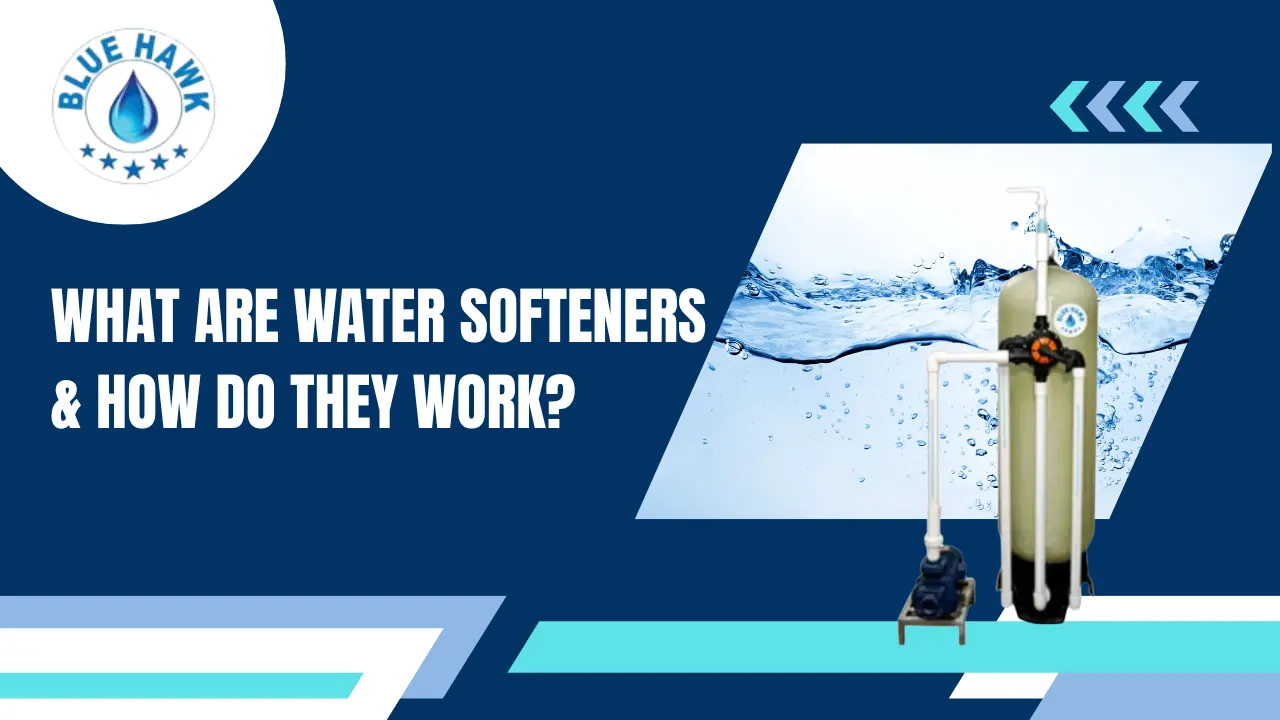
A water softener is a filtration system that removes hardness minerals, mainly calcium (Ca²⁺) and magnesium (Mg²⁺), from water. These minerals are responsible for limescale deposits on pipes, appliances, taps, and heating systems.
Softened water improves water flow, increases appliance lifespan, and enhances cleaning efficiency.
How Do Water Softeners Work?
Water softeners generally work on the principle of ion exchange. Here’s the step-by-step process:
1. Hard Water Enters the Softener
Hard water flows into the mineral tank, which contains resin beads charged with sodium or potassium ions.
2. Ion Exchange Process
- Resin beads attract and hold calcium and magnesium ions.
- In exchange, they release sodium or potassium ions into the water.
- As a result, the water coming out becomes soft.
3. Regeneration Cycle
Over time, resin beads get saturated with hardness minerals. The system then automatically enters the regeneration phase:
- A brine solution (salt + water) is flushed through the tank.
- Hardness minerals are washed away into the drain.
- Resin beads get recharged with sodium/potassium ions.
Benefits of Using Water Softeners
Prevents scale formation in pipes and fittings
Extends lifespan of appliances like geysers, washing machines & RO systems
Enhances cleaning – less soap usage, no stains on dishes or clothes
Soft skin & smooth hair
Improves water pressure and heating efficiency
Ion Exchange Water Softener
An ion exchange water softener is a system designed to remove hardness-causing minerals like calcium and magnesium from water by exchanging them with sodium or potassium ions. Hard water passes through resin beads charged with these ions, and as the beads capture the hardness minerals, soft water flows out. When the resin becomes saturated, the softener enters a regeneration cycle using a brine solution to recharge the beads.
Why Choose Yash Water?
Yash Water provides reliable, high-performance water softeners designed to meet domestic, commercial, and industrial requirements. As a well known manufacturer, we provide quality plants with high manufacturing and hygiene standards. Our systems ensure:
- Advanced ion-exchange technology
- Low maintenance & long life
- High flow rate and maximum hardness removal
- Customizable capacity based on water usage
Yash Water’s softeners deliver consistent soft water, ensuring better living comfort and improved equipment efficiency.
Conclusion
Hard water can damage appliances, reduce efficiency, and affect everyday comfort. Installing a water softener is a smart investment for long-term water quality improvement. With durable and efficient systems, you get reliable protection from hardness and enhanced performance in daily water usage.